A re-roof is a long decision, and the covering is the part everyone sees from the pavement. Around Llanelli and across South and West Wales the usual choice is some form of slate or tile: natural slate, a fibre-cement alternative, concrete interlocking tiles, or, less often, clay. They are not interchangeable, and the right answer depends on the building as much as on the look you have in mind.
What is already there
The first clue is the roof you have now, and the street it sits in. Older terraces and cottages in towns such as Kidwelly or the inner streets of Swansea and Cardiff often still wear natural slate, sometimes mixed with later patches that do not quite match. Later estates are more typically concrete tile. A recovering that ignores that context can look like an afterthought, and on some older or more sensitive buildings a change of covering may need a check before anyone strips a visible roof. We will say if that looks likely. We do not invent a list of official badges.
Natural slate
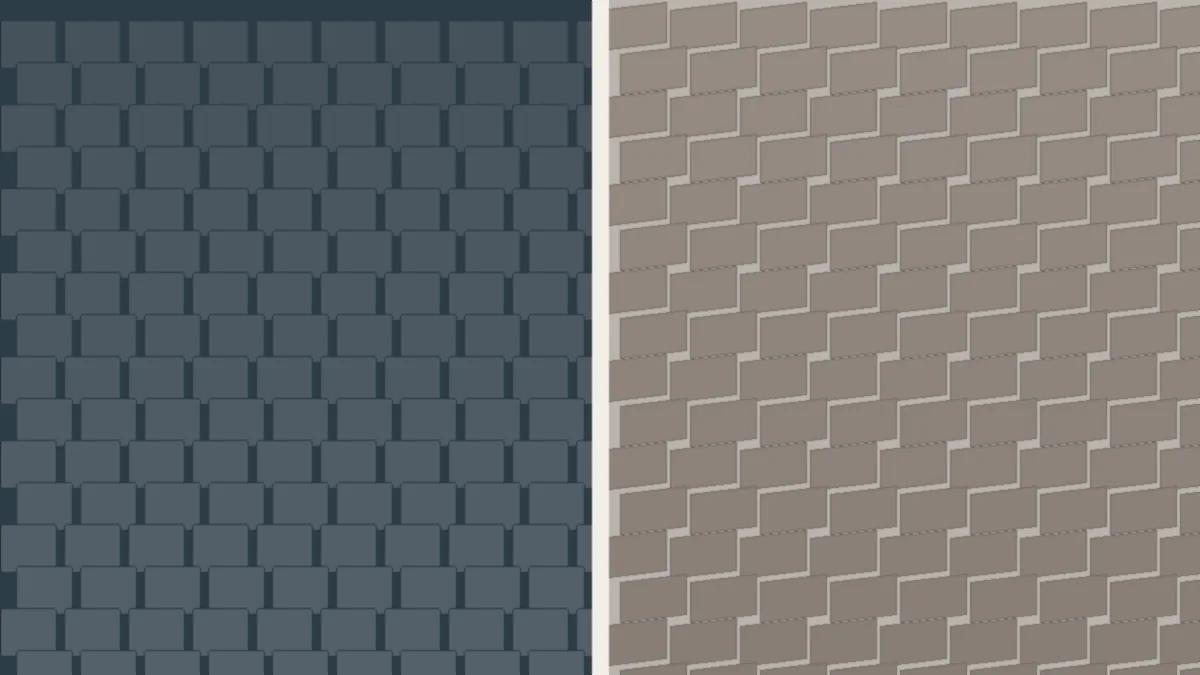
Natural slate is still a first-rate covering: thin, long-lived when the grade is right, and true to a lot of Welsh housing. Remaining slates on an older roof can be a size or thickness that is no longer standard, and a careful repair reuses sound slates where we can. A full recovering in new natural slate is usually the more expensive option in typical UK guides — often a wider band than concrete, commonly talked about in the £10,000 to £25,000+ range for a house, or around £80 to £160 or more per square metre. Those are guide figures, not a quotation.
Weight is a virtue and a constraint. Slate is relatively light. If a roof has always been slate, the structure may have been sized for that.
Concrete and clay tiles
Concrete interlocking tiles are the usual covering on later houses, and a common, practical choice for a full re-roof where the structure can take them and the look suits the house. They are generally the more economical of the full recoverings in UK guide rates, often quoted around £5,500 to £15,000 for a typical house, or £50 to £110 per square metre, depending on what is included. Clay tiles sit somewhere between concrete and slate in many price guides, and have their own profiles and colours.
Both need the right fixing method and a proper finish at ridges, hips and verges. A heavier covering on older rafters is something we pay attention to on survey, not something to discover after the old slate is in the skip.
Fibre-cement slates
These can be a practical way to keep a slated appearance without a full natural-slate budget. They are not natural slate. If that is the recommendation, it will be described that way.
The details travel with the covering
Whatever you choose, the roof is only as good as the edges: ridge and verge, valleys, chimney flashings, and the underlay and ventilation underneath. A beautiful covering on tired battens or an open ridge is an incomplete job. That is why a re-roof quote should list those items, as the process page describes.
If you are choosing a covering, send photographs of the existing roof and the neighbouring houses, plus your postcode, via the quote form. We will talk about what will last on that pitch, not only about what looks good in a sample.