Most roofs do not fail all at once. They leave clues: a stain that only appears after wind-driven rain, a tile that has edged down the slope, a gutter full of grit that used to be the surface of a concrete tile. Noticing those signs early is usually cheaper, and less messy, than waiting for a soaked bedroom ceiling.
This is a practical list of what is worth paying attention to, and when a roof repair is the right conversation rather than hoping it will dry out on its own.
Stains, drips and the route of the water
A brown mark on a ceiling is the most obvious sign, but it is a late one. Water rarely appears directly under the hole it came through. It can run along the underlay, a rafter or a party wall and show up several metres away, or only in a particular wind direction.
If you can safely look in the loft after rain, you are looking for fresh dark staining on timber, droplets on the underside of the felt, or daylight where there should be a continuous covering. That is useful information to send with photographs when you get in touch.
What you can see from the ground
You do not need to climb the roof to notice:
- Tiles or slates that have slipped, cracked or disappeared, especially after a gale.
- A sag in a ridge line, or ridge tiles that have lost their mortar bed.
- A valley that is thick with moss or silt, or a metal valley that has perforated.
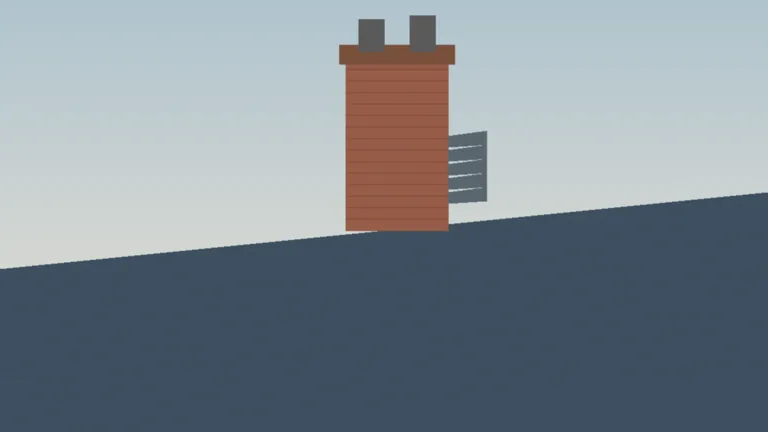
- Flashings at a chimney or a wall that have lifted, cracked or been replaced with a short strip of self-adhesive material.
- A flat-roof edge that has lifted, or standing water that is still there days after rain. Those jobs sit with flat roofing as much as with pitched repairs.
- Gutters full of sandy grit, which is often the weathered surface of concrete tiles making its way off the roof.
A pair of binoculars, or a clear photograph from a window, is enough to start. Storm and emergency repairs are the right page if the damage has just happened and the house is taking in water now.
Inside the house, besides the ceiling
Damp on a chimney breast is often a stack or flashing problem rather than a “roof tile” problem — see chimney repairs and leadwork. Water running down the inside of a gable can be a verge detail. A musty loft or insulation that is clumped and stained is worth investigating even if no room has a visible drip yet.
Moss, shade and blocked valleys
In West Wales especially, moss is common and not automatically a crisis. Thick, established growth is more than a colour change: it holds water, can work under the nibs of concrete tiles, and sheds into valleys and gutters. Moss removal is maintenance. It is not a cure for a covering that is already porous or frost-damaged, which is why we would rather look before promising that a clean will stop a leak.
When a repair is the wrong job
If the underlay is in shreds, the battens are soft, or a large share of the covering has already been patched, another local repair can be a short pause rather than a solution. That is the moment to talk about a new roof or re-roof. An inspection is designed for exactly that decision.
Typical UK guide figures for small and larger repairs are on the costs guide; they are not a quotation, but they help set expectations before we look at your building.
If something here sounds familiar, send photographs and a postcode via the quote form, or call 07712 442155. Stay off the roof if it is not safe, and if water is coming in now, make the room safe and get in touch the same day if you can.